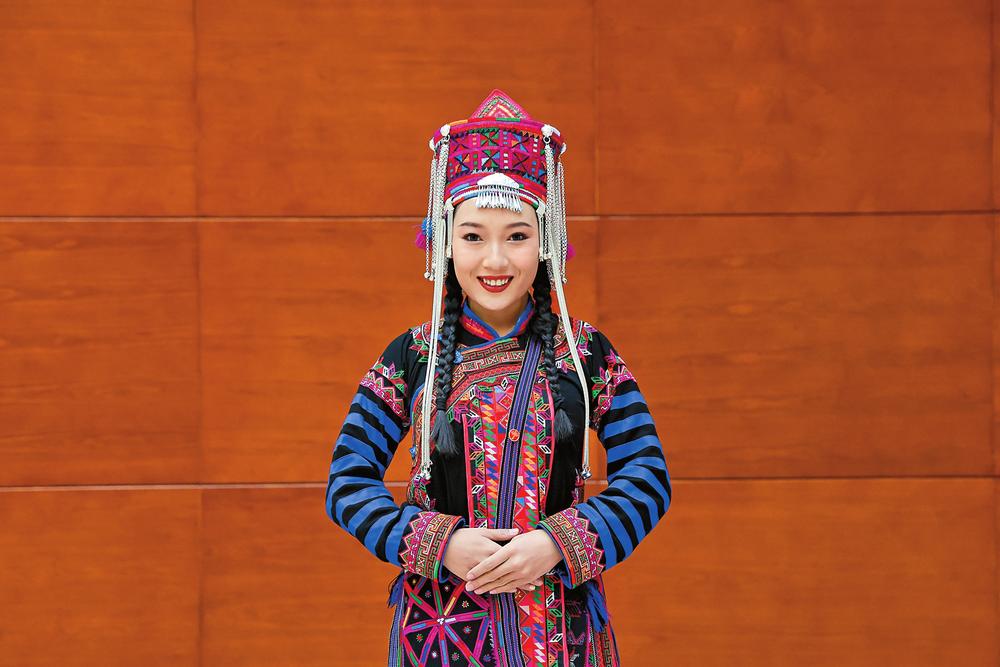
Hani Ethnic Group
Introduction
The Hani ethnic group, primarily residing in the southwest of China, is an ethnic group known for their rich culture and history. Predominantly settled in the Honghe Hani and Yi autonomous prefecture in Yunnan province, the Hani people are renowned for their distinctive agricultural practices, most notably the terraced fields that cascade across the lush hillsides. This ethnic group speaks the Hani language and has a unique cultural heritage that includes traditional clothing, music, dance, festivals, and social customs. The Hani people have a strong connection to their land and environment, which is reflected in their agricultural practices and cultural traditions. Over the years, efforts have been made to preserve and promote the cultural heritage of the Hani ethnic group, ensuring that their traditions and customs are passed down to future generations.
History
The history of the Hani ethnic group is deeply rooted in their connection to the land and their agricultural practices. The Hani are believed to have migrated from the Qinghai-Tibet Plateau to the southern parts of Yunnan province centuries ago. Over time, they developed a complex system of terraced farming, which became an integral part of their culture and way of life. The Hani terraces, recognized as a UNESCO World Heritage Site, are a testament to their ingenuity and ability to adapt to the challenging mountainous terrain.
Geography and Settlement
The Hani ethnic group primarily inhabits the mountainous regions of Yunnan province, particularly in the Honghe Hani and Yi autonomous prefecture. This area is characterized by its steep hillsides and lush vegetation, providing a suitable environment for the Hani's terraced rice paddies. The Hani people have historically settled in small, close-knit villages, with Azheke village being one of the most well-preserved examples of Hani traditional architecture.
The geography of the region has played a significant role in shaping the Hani's way of life. The terraced fields, which are constructed on the slopes of the Ailao Mountains, demonstrate the Hani's skill in utilizing the natural landscape for agriculture. These terraces not only provide a means of sustenance but also serve as a cultural symbol for the Hani people, reflecting their deep connection to the land.
Culture
The culture of the Hani ethnic group is rich and diverse, encompassing various aspects such as language, traditional clothing, festivals, music, and dance. The Hani people have a strong sense of community and a deep respect for their cultural heritage, which is reflected in their customs and traditions.
Language and Literature
The Hani language is an essential aspect of the Hani cultural identity. Despite the lack of a written script for many years, the Hani people have preserved their language through oral traditions and storytelling. These oral traditions often include epic songs and stories that recount the history and cultural practices of the Hani people. Efforts have been made to document and preserve the Hani language, ensuring that it continues to be passed down to future generations.
Traditional Clothing
Traditional Hani clothing is characterized by its vibrant colors and intricate embroidery. The clothing is typically made from locally sourced materials and features elaborate designs that reflect the Hani's cultural heritage. Traditional attire is often worn during festivals and celebrations, serving as a symbol of ethnic identity and pride. Efforts to incorporate traditional Hani elements into modern fashion have also been made, helping to preserve and promote the Hani's unique clothing heritage.
Festivals and Celebrations
Festivals and celebrations play a significant role in the cultural life of the Hani ethnic group. These events provide an opportunity for community members to come together and celebrate their shared heritage. The most important festival for the Hani people is the October New Year, similar to the Chinese New Year for the Han ethnic group. It marks the beginning of the year according to the Hani lunar calendar, which starts in October. Another notable festival is the Kuzhatza Festival, or the Torch Festival, an agricultural sacrificial festival held to thank the mountain god for protecting the crops and to drive away plagues and pests.
Music and Dance
Music and dance are integral aspects of Hani culture, with traditional songs and dances being passed down through generations. The Hani people use music and dance to express their cultural identity and to commemorate important events in their history. Traditional instruments such as bamboo flutes, stringed instruments, and hand drums are commonly used in Hani music performances. The preservation of these musical traditions is crucial for maintaining the cultural heritage of the Hani people, and efforts have been made to document and promote their traditional music and dance practices.
Social Structure
The social structure of the Hani ethnic group is traditionally based on close-knit family and community ties. Hani villages are typically organized around extended families, with strong emphasis placed on communal living and cooperation. Elders are respected and play a vital role in decision-making processes, guiding the younger generations and ensuring the continuity of cultural practices.
In recent years, modernization and migration have impacted the traditional social structure of the Hani communities. Many young people have left their villages in search of education and employment opportunities, leading to changes in family dynamics and community interactions. However, efforts to promote sustainable development and cultural preservation have aimed to strengthen the social fabric of the Hani communities, encouraging the younger generation to embrace their heritage and contribute to the revitalization of their traditional way of life.
Hani Terraces
The Hani terraces, located in the Honghe Hani and Yi autonomous prefecture of Yunnan province, are one of the most iconic features of the Hani ethnic group. These terraced fields, which have been cultivated for over 1,300 years, are a remarkable example of sustainable agriculture and a testament to the ingenuity of the Hani people.
Constructed on the slopes of the Ailao Mountains, the Hani terraces are designed to harness the natural landscape for rice cultivation. The terraces utilize a complex system of channels to direct water from the forested hilltops to the paddies, creating a unique ecosystem that supports both agriculture and biodiversity. The Hani terraces were recognized as a UNESCO World Heritage site in 2013, highlighting their cultural and historical significance.
Despite their beauty and cultural importance, the Hani terraces face challenges, particularly in terms of preserving traditional farming techniques. Modernization and the migration of young people have led to a decline in the number of individuals skilled in terrace farming. Efforts to promote sustainable agriculture and tourism have been implemented to address these challenges, ensuring the continued preservation of the Hani terraces for future generations.
Culture Preservation and Promotion
Preserving and promoting the cultural heritage of the Hani ethnic group is a vital endeavor, given the challenges posed by modernization and globalization. Various initiatives have been undertaken to safeguard Hani traditions, including the documentation of their language, music, and dance, as well as the promotion of traditional crafts and clothing.
Tourism has played a significant role in cultural preservation, providing economic opportunities for Hani communities while also raising awareness of their unique heritage. Projects such as the Azheke Plan have leveraged local resources to develop sustainable tourism, allowing visitors to experience the rich cultural traditions of the Hani people.
Educational programs and cultural centers, such as the Yuni Cultural Heritage Center, have also been established to empower local youth and instill pride in their cultural identity. These initiatives aim to ensure that the traditions and customs of the Hani ethnic group are passed down to future generations, preserving their cultural heritage for years to come.








